


My Supermarket Simulator 3D®
4.05.56K Reviews
App Specs
- Version
- 2.1.0
- Updated On
- License
- Free
- Downloads
- 100,000,000+
- Developer
- Game District LLC
- Categories
- Simulation
- Platform
- Android, iOS
Screenshots
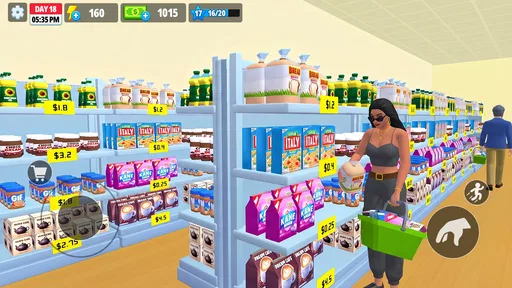
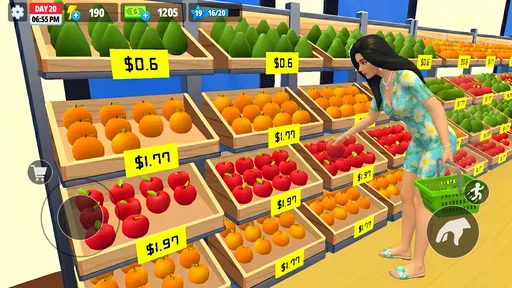
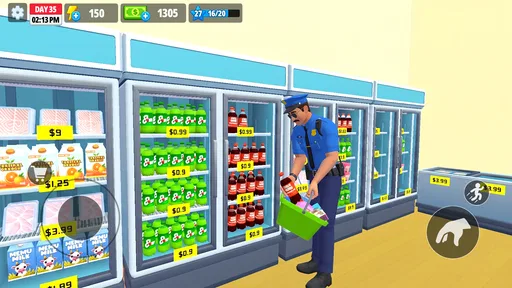
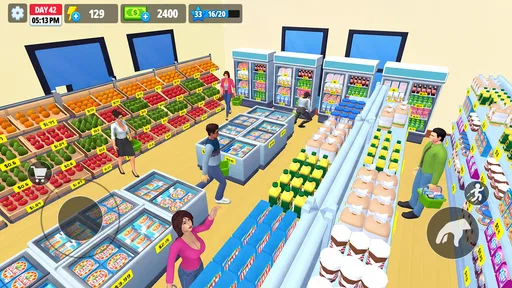
 Analysis by AppCompare
I like the idea behind a supermarket simulator because it turns familiar chores—filling shelves, organizing goods, and serving shoppers—into a small management puzzle. My Supermarket Simulator 3D® is aimed at people who enjoy that steady cycle of hands-on tasks and gradual business growth. It is a free simulation game from Game District LLC, and its broad appeal is reflected in more than 100 million installs. That reach makes it easy to see why the premise catches attention, but the real question is whether its particular mix of shopkeeping and progression suits the way you like to play.
What the free entry point means
You can start playing without paying upfront, which makes trying the basic experience a low-commitment decision. The game is rated for Everyone, so its supermarket theme is approachable for younger players as well as adults. Optional in-app purchases range from $0.99 to $59.99 per item, however, so “free” describes access rather than a guarantee that every purchase or progression choice will cost nothing. I would go in expecting to decide for yourself whether any paid option is worthwhile, not assuming you need one to enjoy the premise.
That distinction matters in a management game: the appeal is often in taking small responsibilities and turning them into a more capable operation. If you enjoy that process, you can first see how much the free experience holds your interest. If you tend to feel pressured by optional purchases, it is sensible to set a personal spending limit before playing and treat any purchase as a deliberate extra rather than part of the entry fee.
Guides and Analysis on My Supermarket Simulator 3D®
Aisle by Aisle: Navigating Your Supermarket
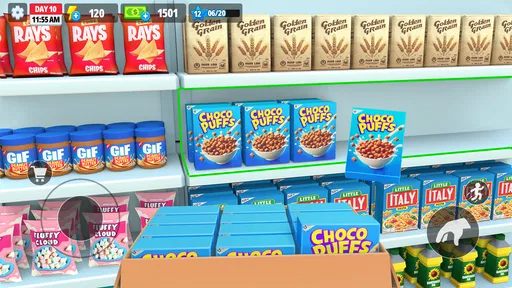
From the moment you open My Supermarket Simulator 3D®, you’re greeted with a bustling store full of potential. The game kicks off by putting you in charge of a small grocery store, and it’s your job to transform it into a bustling retail empire. You start with the basics: organizing shelves, stocking products, and making sure your customers leave with a smile.
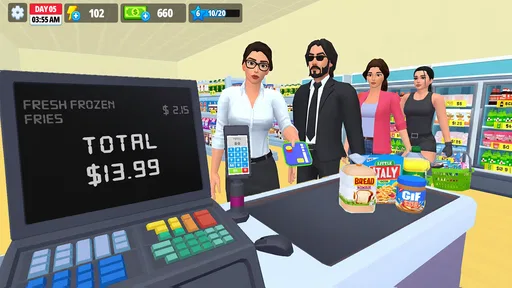
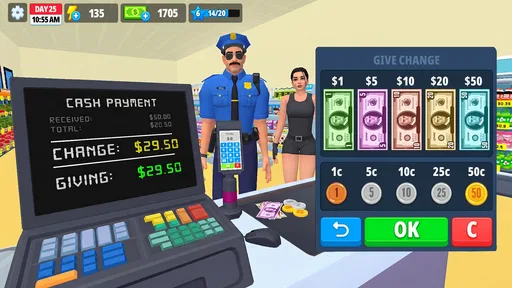
The controls are intuitive, making it easy to navigate through the various tasks. Whether you’re restocking the produce section or setting up promotional displays, the game ensures you’re always on your toes. The interface is user-friendly, offering helpful tips and tricks as you progress. It’s clear that the developers have put a lot of thought into making the gameplay smooth and enjoyable.
The Art of Management
One of the standout features of this app is its deep dive into management mechanics. You’re not just restocking shelves—you’re also hiring staff, managing finances, and even dealing with unexpected events like a sudden influx of customers or a broken refrigerator. The game challenges you to think strategically and adapt quickly, which keeps things fresh and exciting.
As your supermarket grows, so does the complexity of the tasks. You’ll need to balance customer satisfaction with profit margins, making decisions that will impact the overall success of your store. It’s a delicate dance, but it’s incredibly satisfying when you get it right.
Worth Reading Before You Choose

Ludo King Makes the Most of the Minutes Between Plans

Baby Panda World Brings Quick Play to Modern Phones, but Its Game Library Feels Busy

ESPN’s Live Game View Makes Following Close Games Easier

QuizzLand Review: A Good Fit for Short Trivia Breaks, Not Every Player

Basketball Stars: Multiplayer Is Fast, but Can It Recover When Matches Go Wrong?

WEBTOON Turns Phone Updates Into a Better Reading Routine
Making the most of a short session
The strongest way to approach the shopkeeping loop is to give each visit a small purpose. I would pick a single priority—such as tidying shelves, making sure products are available, or handling the immediate demands of the store—rather than trying to improve everything at once. That keeps the routine from feeling like a checklist and gives each session a clear payoff. When the shop is busier, I would deal with the most visible customer-facing problem first; a neat expansion plan is less useful if the current floor is already demanding your attention.
This also makes the game easier to fit around ordinary life. Imagine opening it while waiting for a meal to cook: a brief visit can be satisfying if you focus on one manageable task, while a longer play session is better suited to planning growth and juggling several responsibilities. The appeal is not only the fantasy of owning a large store; it is the small feeling of getting the present shop into better shape before putting the phone down.
Where the routine can wear thin
That hands-on rhythm is also the main trade-off. Players who enjoy repeating practical jobs and watching a business develop may find the repetition calming. Someone looking for a story-led campaign, a fast action game, or deep financial modeling may find the same routine too narrow. Even when management choices add pressure, the core pleasure remains tied to running a supermarket rather than a broad range of unrelated challenges.
It is worth being realistic about what “simulation” means here. The game offers a stylized shopkeeping experience, not a substitute for running a real business or a detailed accounting tool. I would choose it for tactile retail tasks and a gradual sense of responsibility, not for complex economic systems. If you prefer to make a few high-level decisions and let the day-to-day work happen automatically, a more hands-off tycoon game may be a better fit.
How it compares with other management games
Compared with city-building or factory-management games, this one keeps the scale personal: you are close to the shelves, products, and shoppers rather than planning a whole town or production network. That focus is useful when you want to feel directly involved in the store’s daily work. By contrast, players who want sprawling maps, long-term supply-chain puzzles, or extensive automation are likely to get more from a broader tycoon or business simulator.
It also sits between a casual time-filler and a more demanding strategy game. The familiar setting makes it easy to understand what you are trying to do, while the management layer gives the routine more shape than a simple object-placement game. My practical tip is to notice which part you enjoy most early on: if stocking and serving are the satisfying parts, the focused format is a strength; if you mainly want high-level planning, it may feel too close to chore management.
Visuals and Atmosphere
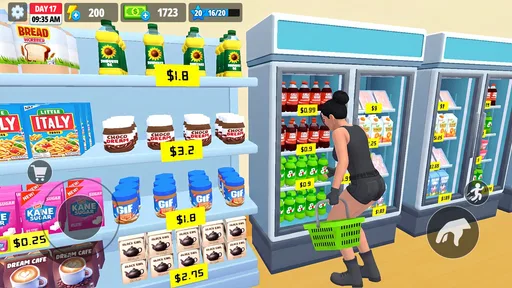
The 3D graphics are vibrant and detailed, adding a layer of immersion that draws you into the world of grocery management. The characters are charming and full of personality, and the environments are rich with color and life. Whether it’s the bustling aisles or the checkout counters, every aspect of the supermarket feels alive and dynamic.
The sound design complements the visuals perfectly. From the background chatter of customers to the clinking of shopping carts, the audio adds to the overall atmosphere, making you feel like you’re right there in the middle of the action.
Presentation is more than decoration in a shop simulator: a clear view of the aisles helps the space feel legible while you move between tasks. At the same time, a busy-looking store can make the screen feel less calm than the management premise suggests. I would expect the visual bustle to be part of the charm, but players who prefer quiet, minimalist interfaces may find a lively 3D shop more distracting than a clean menu-based management game.
Who is likely to get good value
I would recommend trying it if you like casual business simulations, enjoy practical tasks with visible results, or want a game you can return to for short bursts. It is especially suited to players who find ordinary retail details oddly satisfying: keeping products available, responding to shoppers, and gradually taking on more responsibility. The broad age rating also makes the theme approachable for families, although each player’s comfort with optional purchases is a separate consideration.
I would skip it if you dislike repetition, want a competitive multiplayer focus, or expect a highly realistic account of supermarket operations. It is also not the best match if you want the game to make every decision for you; its appeal depends on being involved in the work. On the other hand, if you like steady, low-pressure progress, the familiar setting can make the management loop easier to settle into than a game built around abstract numbers.
For a first session, I would avoid treating expansion as the only measure of success. Pay attention to whether the basic work feels enjoyable before you invest time or money in chasing a bigger operation. That is the most useful test of value here: if arranging and maintaining the store is fun on its own, growth can deepen the experience; if those tasks already feel like a grind, a larger shop may simply give you more of the same.
Why You’ll Love It
If you’re a fan of strategy and management games, My Supermarket Simulator 3D® is a must-try. The game combines the thrill of running a business with the charm of a casual simulator, resulting in an experience that’s both challenging and relaxing. The learning curve is smooth, making it accessible for players of all ages.
It’s also worth mentioning that the app receives regular updates, introducing new features and challenges, which keeps the gameplay fresh and engaging. Whether you’re a seasoned pro or a newcomer to the genre, there’s always something new to discover.
The current version is 1.27.1, and the game was released on July 19, 2024. Its average rating is 3.8 from around 531,000 ratings, with roughly 5,000 written reviews. I take those figures as a sign that plenty of people have tried it, not as proof that every player will enjoy the same parts of it. I would pay more attention to your own tolerance for hands-on repetition than to popularity alone.
Final Thoughts
In a world filled with countless apps and games, My Supermarket Simulator 3D® stands out for its unique blend of strategy, management, and fun. It’s a game that rewards creativity and strategic thinking, all while keeping you entertained with its lively graphics and engaging gameplay.
So, if you’re ready to take on the challenge of running your own supermarket and crafting a retail empire, this app is definitely worth a download. It’s time to stock those shelves, manage your staff, and watch your supermarket dreams come to life!
My verdict is to try it as a free-entry supermarket simulation if the everyday work sounds appealing, while keeping optional spending firmly in your control. I would not call it the right choice for every management-game fan: its best value comes from enjoying the close-up routine, not from expecting a complex business sandbox. If that distinction sounds right to you, it is an easy game to sample; if you would rather plan from a distance or avoid repeated shop tasks, another kind of simulator is likely to be a better use of your time.
Pros
- Realistic graphics enhance immersion.
- Wide variety of products to manage.
- Intuitive controls for easy gameplay.
- Engaging challenges keep you hooked.
- Frequent updates add new features.
Cons
- Advertisements can be intrusive.
- Requires stable internet connection.
- Limited offline functionality.
- In-app purchases can be costly.
- Occasional bugs disrupt gameplay.
FAQs for My Supermarket Simulator 3D®
What is My Supermarket Simulator 3D®?
My Supermarket Simulator 3D® is an engaging simulation game where players manage and operate their own virtual supermarket. The game offers a realistic experience with tasks such as stocking shelves, managing staff, and ensuring customer satisfaction. It's available on both Android and iOS platforms, providing hours of entertainment for fans of management games.
What are the main features of My Supermarket Simulator 3D®?
The game features a detailed and immersive supermarket environment where players can customize their store layout, manage inventory, and interact with customers. Challenges like daily sales targets and special events add excitement. Players can also unlock new products and upgrades to enhance their supermarket's success.
Does My Supermarket Simulator 3D® require an internet connection?
While My Supermarket Simulator 3D® can be played offline, an internet connection is required to access certain features like leaderboards and special events. Regular updates and community features are also available when connected, enhancing the overall gameplay experience.
Are there in-app purchases in My Supermarket Simulator 3D®?
Yes, My Supermarket Simulator 3D® offers in-app purchases. Players can buy virtual currency to speed up processes, unlock new items, or enhance their supermarket's capabilities. However, the game is fully playable without spending money, and players can earn rewards through regular gameplay.
Is My Supermarket Simulator 3D® suitable for children?
My Supermarket Simulator 3D® is suitable for players of all ages, including children. It offers a family-friendly environment with no inappropriate content. The game is designed to be educational, encouraging strategic thinking and time management skills, making it an excellent choice for younger audiences.


